
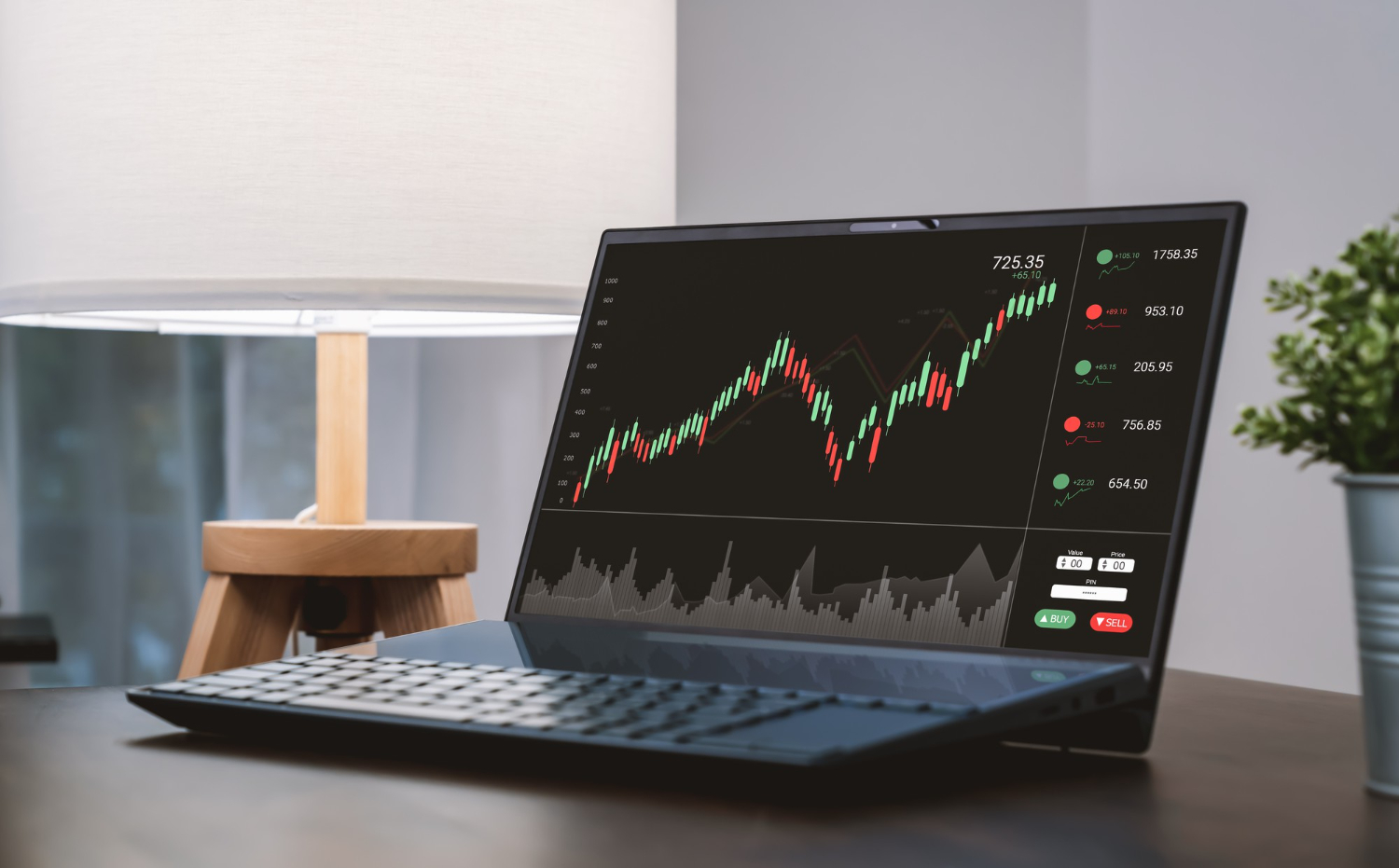
RBI’s tightening of cross-border payment rules has placed offshore MetaTrader 5 platforms under new scrutiny. Traders now face questions about fund repatriation, leverage caps, and KYC reporting that were once overlooked. This overview highlights the regulatory status of these brokers, permitted instruments, and the practical risks of account freezes or disputed withdrawals-setting the stage for a detailed compliance checklist and safer alternatives within India.
RBI Forex Trading Framework
India’s forex trading operates under the Foreign Exchange Management Act (FEMA) 1999 with specific limits set by the RBI master direction on outward remittances. The framework applies to all retail traders considering offshore MetaTrader 5 platforms for currency trading activities.
The Liberalised Remittance Scheme establishes an annual limit of $250,000 per financial year for Indian residents. This cap covers all outward remittances including funds transferred to offshore brokers for trading account deposits and margin requirements.
Current account transactions include payments for trade and travel purposes while capital account transactions cover portfolio investments abroad. Retail traders must distinguish between these categories when funding offshore MT5 accounts to maintain FEMA compliance.
A 2023 RBI circular requires banks to report all forex remittances above 7 lakh monthly. This reporting mechanism helps the Reserve Bank of India monitor cross-border fund flows and identify potential violations of the Foreign Exchange Management Act.
Offshore Platform Legality
Offshore MT5 platforms operate in regulatory gaps where Indian traders access brokers licensed in Belize, Seychelles, or Mauritius.
Indian residents face restrictions accessing offshore brokers under FEMA regulations. This creates a complex legal environment for retail forex trading. The Foreign Exchange Management Act governs all cross-border currency transactions.
Retail traders often encounter questions about whether their offshore MetaTrader 5 accounts comply with Reserve Bank of India guidelines. FEMA classifies forex trading as a capital account transaction requiring specific approvals.
Trading through offshore platforms places responsibility on the individual to understand their obligations. The Securities and Exchange Board of India does not regulate foreign brokers operating outside Indian jurisdiction.
Regulatory Status of MT5 Brokers
MT5 brokers registered with the International Financial Services Commission (IFSC) in Belize hold licenses that Indian authorities do not recognize for resident trading.
Several offshore MetaTrader 5 providers maintain registrations with foreign regulators. Exness holds a Belize FSC license. XM operates under an IFSC license. FXTM maintains Cyprus CySEC and IFSC approvals. FBS carries a Belize FSC registration. IC Markets holds ASIC and AFS licenses. Pepperstone possesses ASIC and FCA authorizations.
The Reserve Bank of India issued a 2022 statement clarifying that offshore licenses do not receive recognition for Indian residents. This position affects how traders approach regulatory compliance when using foreign platforms.
The Enforcement Directorate took actions against more than fifteen offshore platforms between 2020 and 2023. These cases involved violations related to unauthorized foreign exchange transactions. Indian traders should review their broker status before opening trading accounts.
Repatriation of Funds
Repatriating forex trading profits requires routing through authorised dealer banks with Form 15CA and 15CB compliance under LRS guidelines.
The repatriation process involves three distinct steps. Traders submit Form 15CA online through the income tax portal. They obtain an accountant certificate using Form 15CB for amounts exceeding seven lakh rupees. Funds then move through an authorised dealer bank with purpose code P0108.
A twenty percent Tax Collected at Source applies on Liberalised Remittance Scheme remittances from October 2023 onward. This requirement affects how traders plan their fund movements. FEMA also mandates repatriation of trading profits within one hundred eighty days.
Proper documentation supports compliance during inward remittances. Authorised dealer banks verify the source of funds and ensure adherence to reporting requirements. Maintaining accurate records helps traders meet their regulatory obligations.
Permitted Instruments & Leverage
RBI permits only currency futures and options on Indian exchanges with leverage capped at 1:20 for USD-INR contracts. This restriction exists to protect retail traders from excessive risk. Offshore MetaTrader 5 platforms often advertise leverage ratios that exceed these limits by a wide margin.
Domestic exchanges offer lower leverage across all currency products. NSE and BSE allow up to 1:20 on currency derivatives. MCX provides up to 1:15 on currency futures. Traders must understand these caps before considering offshore MT5 options.
SEBI issued a circular in 2021 that further tightened leverage and margin requirements for retail currency traders. The changes aimed to reduce speculative positions and improve market stability. Retail participants now face stricter position limits on Indian platforms.
Eight currency pairs trade on Indian exchanges including USD-INR, EUR-INR, GBP-INR, and JPY-INR. Additional pairs cover USD-EUR, USD-GBP, USD-JPY, and cross rates involving INR. These contracts settle in Indian rupees and follow local settlement cycles.
KYC and Reporting Obligations
Offshore platforms accepting Indian clients must comply with RBI’s 2018 circular requiring data localisation within Indian servers for payment data. This requirement creates immediate challenges for many overseas brokers who store information abroad. Traders need to verify server locations before opening accounts.
KYC requirements for offshore account opening include PAN card along with Aadhaar e-KYC verification. Address proof and six months of bank statements are mandatory documents. Income proof becomes necessary for annual earnings above five lakh rupees.
Retail traders must submit these documents during onboarding for offshore MetaTrader 5 access. Brokers often request additional verification when transaction volumes increase. Incomplete documentation leads to account restrictions or closure.
RBI’s 2022 directive requires forex brokers to report KYC data to the Financial Intelligence Unit. This reporting mechanism supports Anti-Money Laundering efforts across cross-border trading activities. Indian traders should confirm their broker follows these submission protocols.
Non-compliance carries serious consequences under PMLA Section 13. A five lakh rupee fine applies per non-compliant transaction reported to authorities. Offshore brokers must maintain proper records to avoid regulatory penalties.
Payment Channel Restrictions
RBI circulars prohibit Indian banks and credit card companies from processing payments to offshore forex brokers since 2016. This restriction covers several popular channels that traders commonly attempt to use. Indian residents cannot legally route funds through these methods when dealing with offshore platforms offering MetaTrader 5 access.
Payment methods banned for such transactions include UPI, net banking, credit cards, debit cards, and payment gateways such as PayU and Razorpay. Cryptocurrency transfers also fall under restricted categories for funding offshore trading accounts. Traders attempting to bypass these limits often explore alternative routes that carry significant compliance concerns.
Some individuals turn to grey market arrangements including wire transfers through third-party accounts, cryptocurrency exchanges, or NRI accounts to move funds. These approaches create exposure under FEMA Section 10(4) which governs foreign exchange transactions. Violations can result in penalties, account restrictions, and potential legal proceedings from regulatory authorities.
The Enforcement Directorate investigated approximately 850 crore rupees in forex trading transactions conducted through unauthorised channels during 2023. This case highlighted how payment restrictions are actively enforced. Traders must understand that using prohibited channels exposes them to regulatory scrutiny regardless of the offshore MetaTrader 5 platform they select.
Tax Implications
Forex trading profits are taxed as business income at slab rates ranging from 5% to 30% plus 4% cess under the Income Tax Act. Indian traders must report all gains from offshore MetaTrader 5 platforms accurately. Failure to disclose these transactions can attract penalties from tax authorities.
Short term capital gains on currency derivatives attract 15% tax under Section 111A. Long term capital gains face 10% tax on amounts exceeding one lakh rupees. Business income classification applies when trading activity shows regular frequency and substantial volume.
Forex conversion charges attract 18% GST on service fees charged by offshore brokers. Tax residents must track these charges separately while filing returns. Proper documentation helps claim input tax credit where applicable under GST provisions.
Double taxation avoidance agreements with Mauritius, Singapore, and Cyprus offer relief on withholding tax for repatriated profits. Indian traders should review DTAA provisions before selecting offshore jurisdictions. Professional tax consultation ensures correct application of treaty benefits.
Traders must file ITR-3 or ITR-4 when turnover exceeds one crore rupees. Tax audit becomes mandatory at this threshold. Regulatory compliance includes maintaining detailed records of all cross border transactions through offshore MetaTrader 5 platforms.
Risk of Account Freezes
The Enforcement Directorate has frozen 200+ trading accounts in 2023 linked to offshore forex platforms under FEMA violations. These actions targeted Indian traders using offshore MetaTrader 5 platforms for cross-border trading. Account freezes create immediate barriers to accessing funds and executing trades.
The Enforcement Directorate froze 42 crore across 67 accounts in Mumbai during March 2023. Similar actions followed with 18 crore in Delhi during July 2023. Another 31 crore faced restrictions in Bangalore during September 2023. All cases involved violations related to unauthorized capital account transactions.
The freeze process begins when the Enforcement Directorate issues a show-cause notice under Section 37 of FEMA. Banks receive instructions and freeze accounts within 48 hours of receiving the notice. Funds remain inaccessible for 180-365 days while investigations continue.
FEMA Section 13 allows penalties up to 300 percent of the contravention amount. Indian traders face additional scrutiny if transactions bypass authorized dealers or exceed Liberalised Remittance Scheme limits. Offshore MetaTrader 5 platforms operating without Reserve Bank of India approval increase exposure to these enforcement measures.
Dispute Resolution Challenges
Indian consumers cannot access the Banking Ombudsman or RBI Ombudsman for disputes with offshore forex brokers due to jurisdictional limitations. This restriction leaves retail traders without the standard grievance redressal channels available for domestic financial services.
The Consumer Protection Act 2019 mandates that cases must fall under Indian jurisdiction as per Section 2(42). Offshore broker agreements often include arbitration clauses that specify Belize or Mauritius courts instead of Indian forums.
Local police FIRs face significant extradition barriers when pursuing complaints against foreign entities. The 2022 NCDRC ruling in Sharma v. Exness Global denied jurisdiction for offshore forex disputes, setting a precedent that limits options for Indian traders.
Cases filed under the Indian Consumer Protection Act against foreign entities typically take an 18-month average resolution time. This extended timeline creates additional financial and emotional strain for affected retail traders seeking compensation.
Alternatives Within India
GIFT City IFSC offers regulated forex trading through IFSCA-licensed brokers with MT5 terminals and 1:20 leverage limits. Indian traders gain access to compliant platforms without relying on offshore MetaTrader 5 brokers. This structure aligns with Reserve Bank of India guidelines on capital account transactions.
Several IFSC-licensed forex brokers operate within GIFT City. These include HDFC Securities IFSC, ICICI Securities IFSC, Kotak Mahindra IFSC, Edelweiss IFSC, and 5Paisa IFSC. Each maintains IFSCA registration and provides USD-denominated trading accounts.
Account setup requires GIFT City account opening along with IFSCA registration. Traders receive 24-hour market access through approved MetaTrader 5 terminals. Regulatory compliance covers KYC documentation and adherence to Foreign Exchange Management Act provisions.
GIFT City forex trades carry a 0.1 percent transaction fee structure and 0.5 percent STT. The 2023 IFSCA circular permits algorithmic trading through approved vendors. This allows EA deployment while maintaining oversight within Indian jurisdiction.
Compliance Checklist
Retail traders considering offshore platforms should complete 12 compliance steps before funding any account. Each step addresses specific requirements under the Foreign Exchange Management Act and related circulars issued by the Reserve Bank of India. Skipping even one requirement can expose traders to regulatory action or account restrictions.
The first step requires traders to verify broker IFSC or FSC registration directly on the official regulator website. Official records confirm whether the entity holds a valid license for forex or securities dealing. Traders must also confirm the broker is not listed on the RBI caution list before proceeding with any account opening process.
Next, traders should review the client agreement for any jurisdiction clause that may shift disputes outside Indian legal protection. They must obtain contract notes for all trades executed on the offshore MetaTrader 5 platform. Accurate contract notes serve as primary evidence of transaction details and pricing.
Traders need to maintain trade records for a minimum of six years under current regulatory expectations. Annual filing of the Forex Transaction Report with an authorised dealer bank remains mandatory for all outward remittances. This filing creates an official record of cross-border fund movements.
Calculation and payment of Tax Collected at Source applies to remittances made under the Liberalised Remittance Scheme. Traders must keep proof of segregated client funds held by the offshore broker. Segregated accounts help protect trader capital in case of broker insolvency.
All withdrawal requests should be documented with supporting bank statements and transaction references. Review of the privacy policy reveals whether data may be shared with Indian authorities upon request. Negative balance protection clauses in the agreement protect traders from owing money beyond their deposited funds.
- Verify broker IFSC or FSC registration on official regulator website
- Confirm broker not listed on RBI caution list
- Review client agreement for jurisdiction clause
- Obtain contract notes for all trades
- Maintain six-year trade records
- File annual Forex Transaction Report with AD bank
- Calculate and pay TCS on remittances
- Maintain segregated fund proof
- Document all withdrawal requests
- Review privacy policy for data sharing with Indian authorities
- Verify negative balance protection clause
- Consult CA for FEMA compliance before repatriation
Frequently Asked Questions
What Indian traders must know about RBI regulations before using offshore MetaTrader 5 platforms
Indian traders must know about RBI regulations before using offshore MetaTrader 5 platforms because FEMA rules generally prohibit retail forex trading with foreign entities, requiring all transactions through RBI-authorised dealers only.
Is it legal for Indian residents to open accounts on offshore MT5 brokers?
No, RBI regulations restrict Indian residents from opening trading accounts with offshore MetaTrader 5 platforms for forex or derivatives, as these are not recognised under FEMA guidelines.
What penalties apply if traders ignore RBI rules on offshore MT5 usage?
Violations can lead to fines up to three times the amount involved, potential account freezes, and even criminal proceedings under FEMA for unauthorised foreign exchange dealings.
How does the Liberalised Remittance Scheme interact with offshore MetaTrader 5 platforms?
The LRS permits limited outward remittances but explicitly excludes using funds for speculative trading on unregulated offshore MetaTrader 5 platforms, limiting options to portfolio investments only.
Are there any RBI-approved alternatives to offshore MT5 for Indian traders?
Yes, traders should use SEBI-regulated domestic brokers or exchange-traded currency derivatives on NSE and BSE instead of offshore MetaTrader 5 platforms to remain fully compliant.
What documentation do Indian traders need to verify compliance before considering any forex platform?
Traders must retain proof of dealing only with RBI-authorised banks or brokers, along with transaction records showing adherence to FEMA declarations when exploring any platform options.